



Description
By: Lars Marcus
How the built environment, understood as spatial capital, governs both everyday life in cities and urban systems more generally.
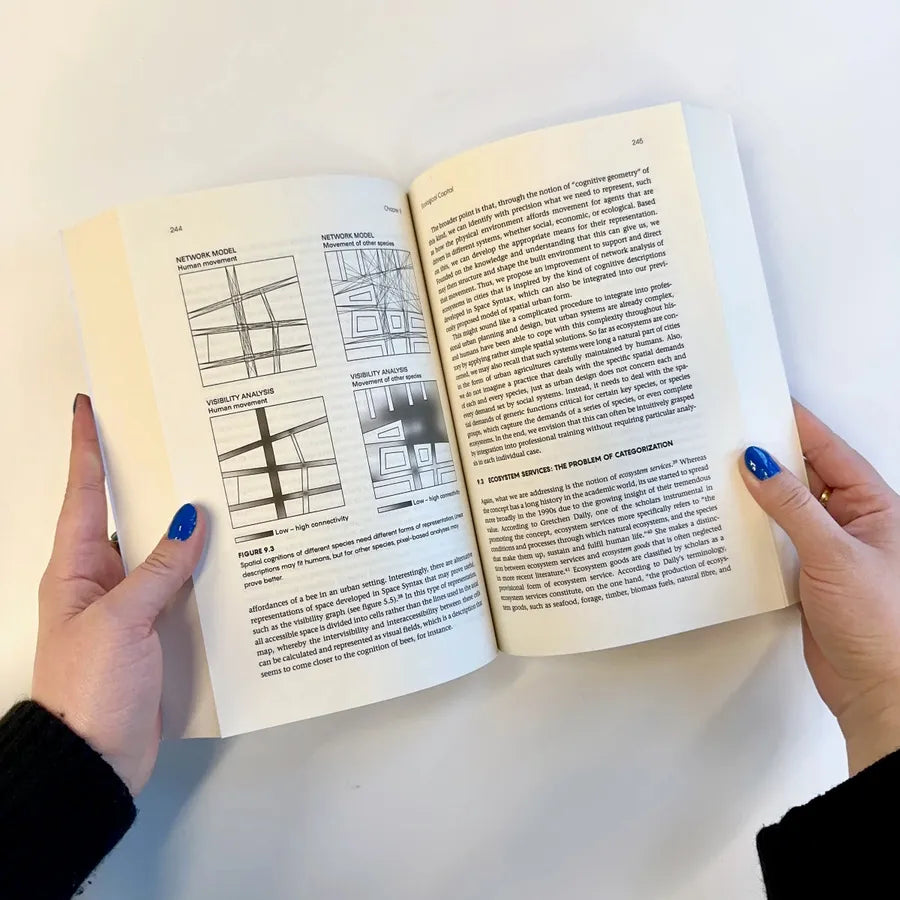
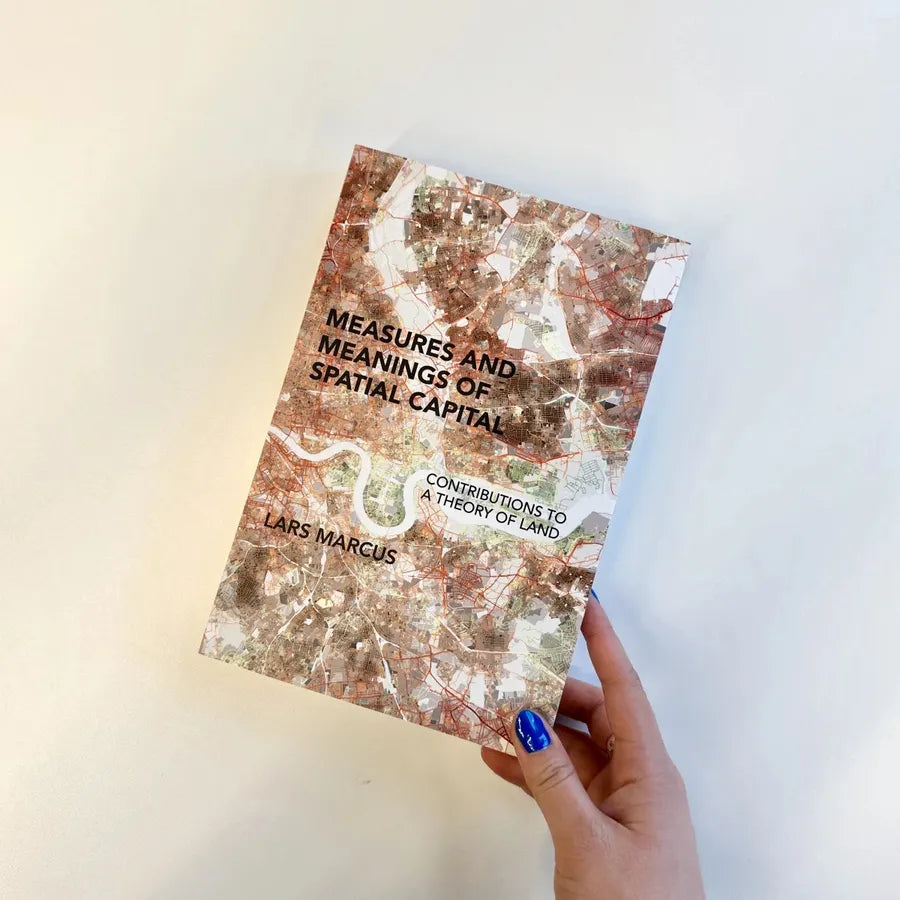
In an age of social and environmental crises, we need to critically rethink the role of the built environment and how best to put it to work. Measures and Meanings of Spatial Capital presents a new theory of spatial capital, arguing that spatial form is essential for building resilience into highly complex urban systems. Lars Marcus argues that the built environment constitutes a form of capital that enhances other forms of capital in cities (such as social, economic, and ecological capital), if designed with those goals in mind. This represents an important and necessary shift in how we approach urban space in the numerous studies of cities that are conducted in a range of disciplines today, such as urban sociology, urban economics, and urban ecology.
In contemporary urban studies, land has oddly lost its position alongside labor and capital as one of the three fundamental production factors in economic theory, but as Marcus shows, misconceptions of land are at the root of social and environmental crises worldwide. By defining the challenges and modeling our use of spatial form to enhance/improve land, and then synthesizing data into a unified theory of spatial capital, Marcus provides a crucial reframing of how we can best plan and design our cities for the global challenges we are facing.
How the built environment, understood as spatial capital, governs both everyday life in cities and urban systems more generally.
In an age of social and environmental crises, we need to critically rethink the role of the built environment and how best to put it to work. Measures and Meanings of Spatial Capital presents a new theory of spatial capital, arguing that spatial form is essential for building resilience into highly complex urban systems. Lars Marcus argues that the built environment constitutes a form of capital that enhances other forms of capital in cities (such as social, economic, and ecological capital), if designed with those goals in mind. This represents an important and necessary shift in how we approach urban space in the numerous studies of cities that are conducted in a range of disciplines today, such as urban sociology, urban economics, and urban ecology.
In contemporary urban studies, land has oddly lost its position alongside labor and capital as one of the three fundamental production factors in economic theory, but as Marcus shows, misconceptions of land are at the root of social and environmental crises worldwide. By defining the challenges and modeling our use of spatial form to enhance/improve land, and then synthesizing data into a unified theory of spatial capital, Marcus provides a crucial reframing of how we can best plan and design our cities for the global challenges we are facing.