

描述
Why language ability remains resilient and how it shapes our lives.
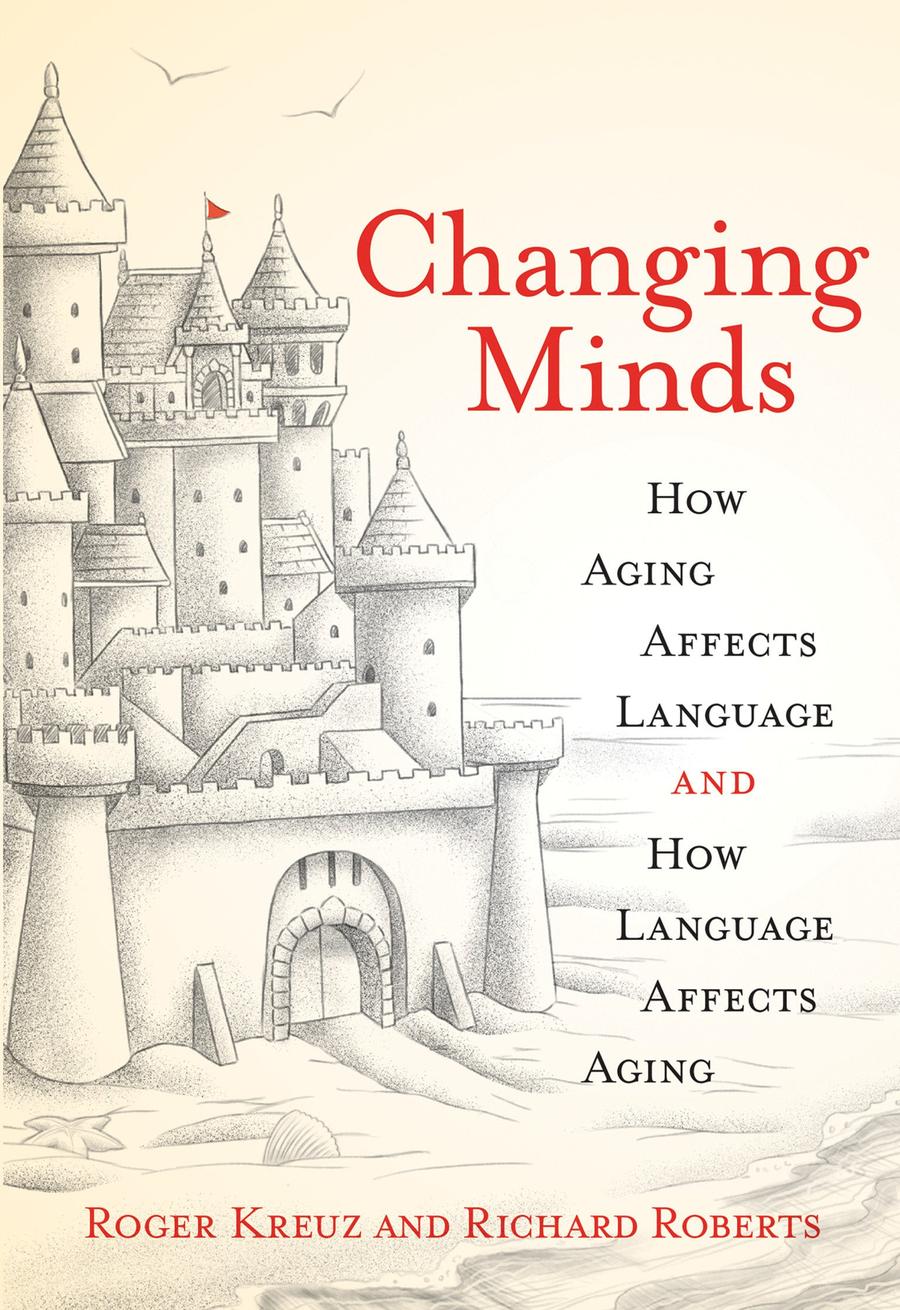
We acquire our native language, seemingly without effort, in infancy and early childhood. Language is our constant companion throughout our lifetime, even as we age. Indeed, compared with other aspects of cognition, language seems to be fairly resilient through the process of aging. In Changing Minds, Roger Kreuz and Richard Roberts examine how aging affects language—and how language affects aging.
Kreuz and Roberts report that what appear to be changes in an older person's language ability are actually produced by declines in such other cognitive processes as memory and perception. Some language abilities, including vocabulary size and writing ability, may even improve with age. And certain language activities—including reading fiction and engaging in conversation—may even help us live fuller and healthier lives.
Kreuz and Roberts explain the cognitive processes underlying our language ability, exploring in particular how changes in these processes lead to changes in listening, speaking, reading, and writing. They consider, among other things, the inability to produce a word that's on the tip of your tongue—and suggest that the increasing incidence of this with age may be the result of a surfeit of world knowledge. For example, older people can be better storytellers, and (something to remember at a family reunion) their perceived tendency toward off-topic verbosity may actually reflect communicative goals.