



Description
By: Kim De Wolff
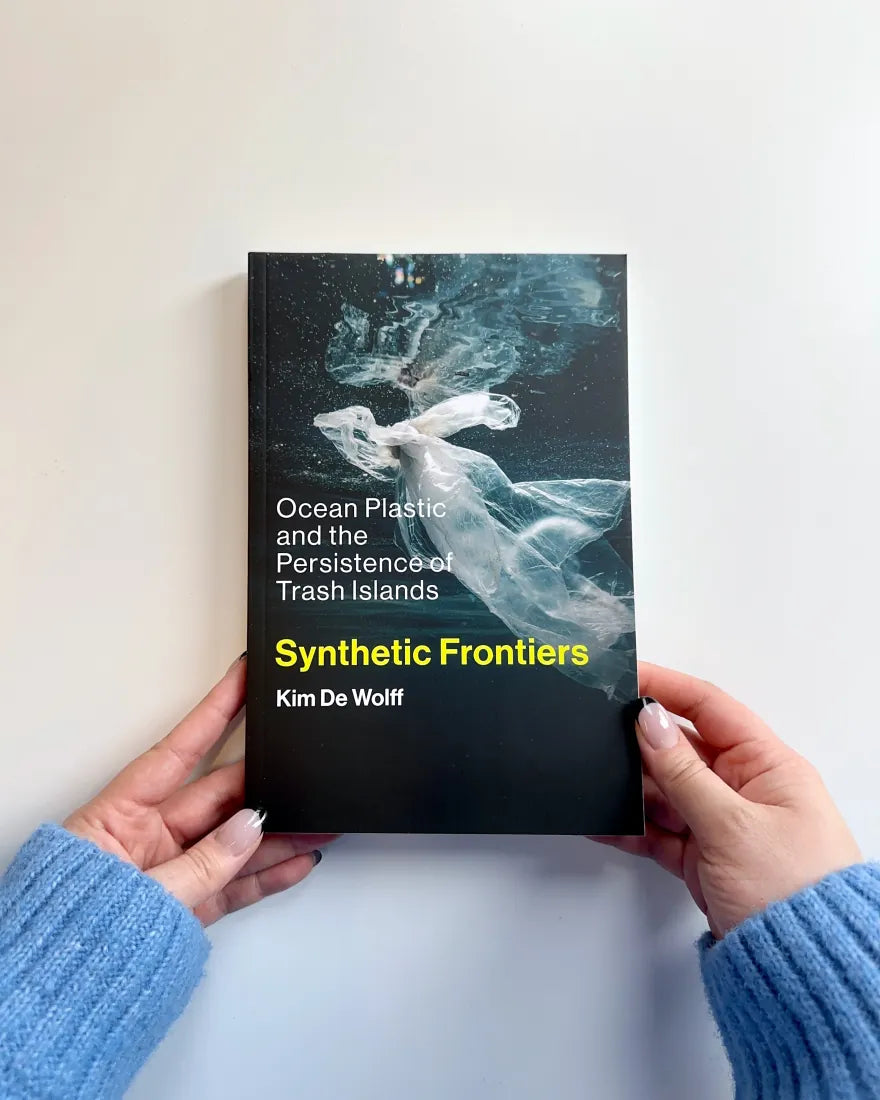
How an imaginary island became the symbol of contemporary concern for ocean plastic pollution.
A floating plastic island has become a powerful symbol of ocean pollution, but no one can find it at sea. While marine scientists dismiss the trash island as myth, Synthetic Frontiers argues that its persistence is a consequence of dominant ways of knowing and exploiting the Pacific Ocean. Bringing feminist science and technology studies approaches to materiality together with hydrohumanities critiques of terracentrism, Kim De Wolff shows how ocean plastic pollution is shaped by land/water divides and the fluidities that defy them.
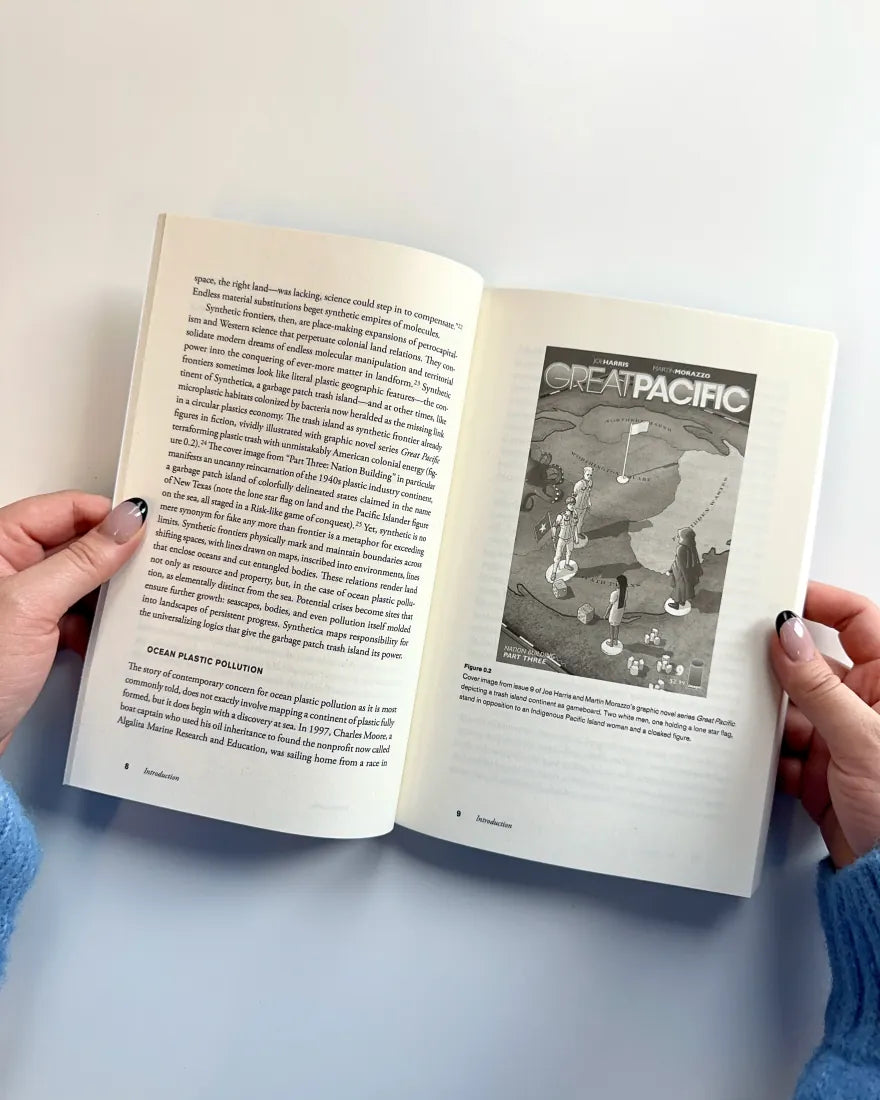
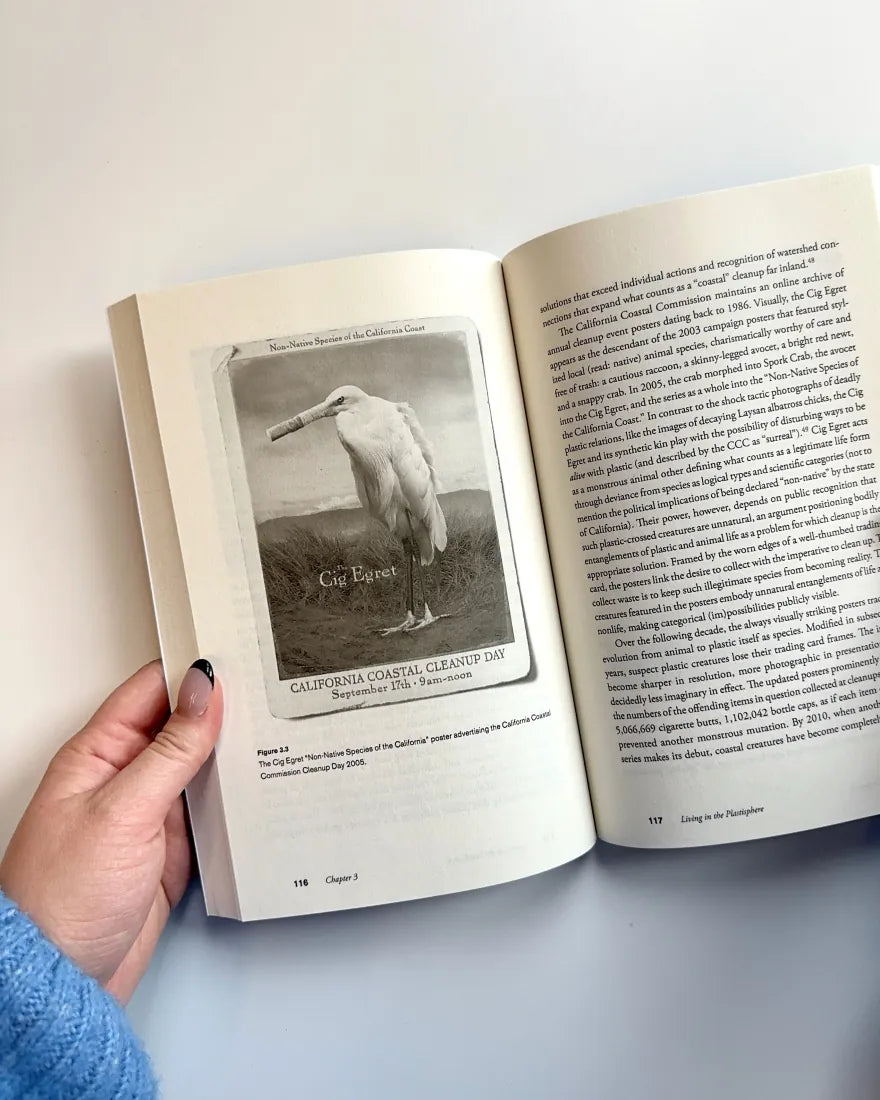
The trash island is no mere misrepresentation. It is a synthetic frontier: a territorial line of control that emerges with the products of modern science, and transforms crises of petrocapitalism into landscapes of so-called progress. As such, the story of the trash island—a story where knowledge and awareness of global ecological problems so often fail to instigate meaningful change—is simultaneously about the persistence of plastic pollution and all its associated harms. Where cleanup solutions recycle plastic into ever-more polluted landscapes, De Wolff proposes radically reclaiming synthetics from modern chemistry and modern philosophy in a refusal of elemental frontiers.
How an imaginary island became the symbol of contemporary concern for ocean plastic pollution.
A floating plastic island has become a powerful symbol of ocean pollution, but no one can find it at sea. While marine scientists dismiss the trash island as myth, Synthetic Frontiers argues that its persistence is a consequence of dominant ways of knowing and exploiting the Pacific Ocean. Bringing feminist science and technology studies approaches to materiality together with hydrohumanities critiques of terracentrism, Kim De Wolff shows how ocean plastic pollution is shaped by land/water divides and the fluidities that defy them.
The trash island is no mere misrepresentation. It is a synthetic frontier: a territorial line of control that emerges with the products of modern science, and transforms crises of petrocapitalism into landscapes of so-called progress. As such, the story of the trash island—a story where knowledge and awareness of global ecological problems so often fail to instigate meaningful change—is simultaneously about the persistence of plastic pollution and all its associated harms. Where cleanup solutions recycle plastic into ever-more polluted landscapes, De Wolff proposes radically reclaiming synthetics from modern chemistry and modern philosophy in a refusal of elemental frontiers.